In today's digital world, protecting user's privacy is a big challenge for companies. But there's a smart way to do it: by paying close attention to what users want and need. This simple idea is changing the game, helping businesses tackle privacy issues in a more creative way and turn privacy challenges into opportunities for innovation. We'll see how companies, by listening to users and adapting quickly, are not only making their privacy efforts stronger but also coming up with products that customers love.
Examples of Privacy Experience (PX) in action
Considering users’ privacy concerns in products facilitates the discovery of creative solutions to complex privacy-related challenges, ensuring that user data is handled ethically and responsibly. PX offers practical methods and tools that major companies like Apple, Google, Signal, and WhatsApp use to drive innovation, especially in the context of privacy.
1. Apple's App Tracking Transparency:
- Problem: Users were concerned about being tracked across apps and websites without their consent.
- Solution: Apple introduced App Tracking Transparency, a feature that requires apps to get permission before tracking users across other apps and websites.
- Impact: This feature gives users greater control over their data and enhances transparency around data tracking practices.
2. Google's Privacy Sandbox:
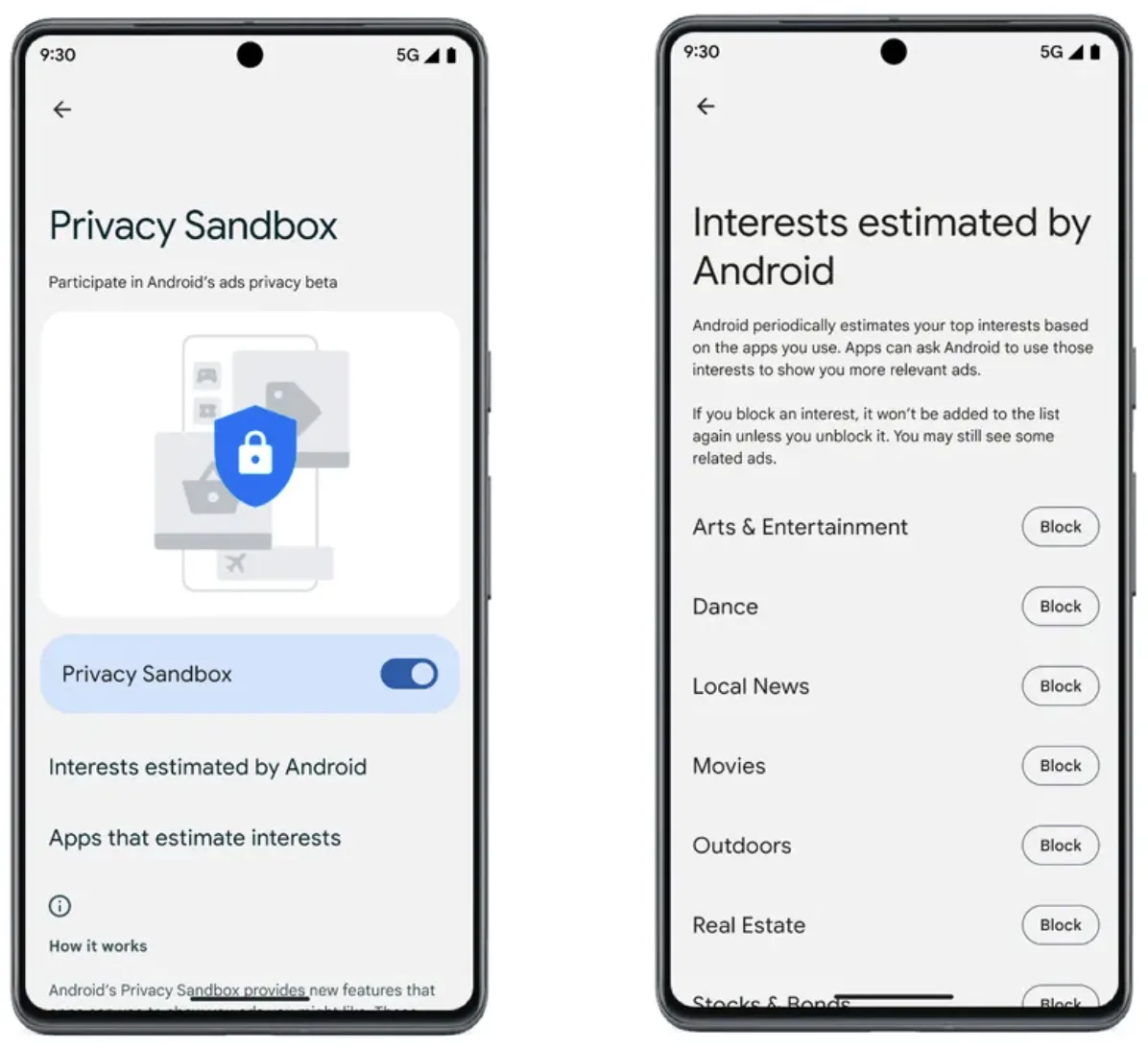
- Problem: Users and regulators have raised concerns about online privacy and tracking. The widespread use of third-party cookies has intensified unease about how companies collect and share personal data.
- Solution: Google introduced the Privacy Sandbox initiative to develop privacy-preserving alternatives to third-party cookies for online advertising.
- Impact: The Privacy Sandbox aims to enhance user privacy by limiting the amount of personal data shared with advertisers, while still allowing for effective ad targeting and measurement.
3. Signal's End-to-End Encryption:
- Problem: Users were concerned about the privacy and security of their communications.
- Solution: Signal implemented end-to-end encryption to protect user communications from unauthorized access.
- Impact: This feature ensures that user communications are secure and private.
4. WhatsApp's Disappearing Messages:
- Problem: Users are concerned about the privacy and retention of their messages on messaging platforms.
- Solution: WhatsApp introduced the Disappearing Messages feature, allowing users to send messages that automatically disappear after a certain period of time.
- Impact: This feature enhances user privacy by ensuring that messages are automatically deleted after they have been viewed, providing users with greater control over their conversations and the privacy of their communications.
Final thoughts
Focusing on PX fosters innovation, which is essential for survival and maintaining competitiveness on the market. By emphasizing privacy experience, cross-functional teams must collaborate to thoroughly understand user privacy needs, and to create solutions that effectively address privacy concerns.